
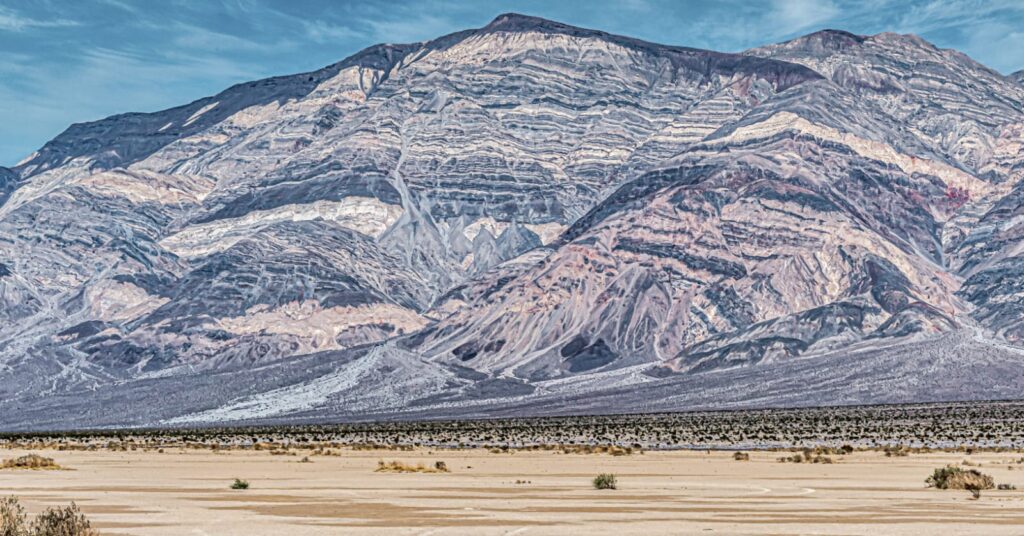

The Atlas Mountains stand among the most breathtaking natural landmarks in North Africa. Stretching across Morocco, Algeria, and Tunisia, this enormous mountain system has shaped the geography, climate, and culture of the region for thousands of years. Travelers, researchers, and nature lovers continue to admire these mountains because of their dramatic scenery, ancient traditions, and remarkable ecological diversity.
From snow-covered peaks to dry valleys and green forests, the landscapes change constantly throughout the range. Some areas are famous for hiking and adventure tourism, while others are known for traditional villages and agricultural life. The mountains also serve as an important natural barrier between the Mediterranean coastline and the Sahara Desert, making them one of the most environmentally significant regions in Africa.
Many people recognize the range for its visual beauty, but its historical and cultural importance is equally fascinating. Indigenous Amazigh communities have preserved their customs and languages in mountain villages for centuries. As modern tourism expands, the region continues to balance development with the preservation of its traditions and ecosystems.
The Geography of the Atlas Mountains
The mountain system extends for nearly 2,500 kilometers across North Africa, creating one of the continent’s most impressive geographic features. The range is divided into several sections, including the High Atlas, Middle Atlas, and Anti-Atlas regions in Morocco, along with additional connected ranges in Algeria and Tunisia. Each area has unique terrain, climate conditions, and geological characteristics that contribute to the diversity of the region.
The High Atlas contains some of the tallest peaks in North Africa, including Mount Toubkal. During winter, snow covers many upper elevations, creating a striking contrast against nearby desert landscapes. Lower elevations often include fertile valleys, rivers, and forested hillsides that support farming communities and wildlife habitats throughout the year.
These mountains were formed millions of years ago through tectonic activity caused by the movement of the African and Eurasian plates. Over time, erosion shaped deep valleys and rugged cliffs, giving the region its dramatic appearance. Today, geologists continue to study the mountains because they provide valuable insight into Earth’s geological history and environmental evolution.
Climate and Environmental Importance of Atlas Mountains
The mountains strongly influence the climate of North Africa by blocking moisture and separating environmental zones. Coastal regions receive more rainfall due to the mountains capturing moisture from the Atlantic Ocean and Mediterranean Sea. In contrast, the southern side transitions toward the dry conditions of the Sahara Desert, creating a unique environmental balance across the region.
Forests within the range contain cedar, pine, and oak trees that provide shelter for many species of birds and mammals. Rivers that begin in these mountains supply water to nearby towns, agricultural areas, and valleys. Without these water sources, many communities in surrounding regions would struggle to maintain farming and daily life.
Environmental concerns have become increasingly important in recent years. Climate change, deforestation, and water shortages are placing pressure on local ecosystems. Conservation efforts aim to protect forests, wildlife habitats, and natural water systems while supporting the needs of local populations that depend on mountain resources for survival.
Cultural Heritage and Traditional Communities
The mountains have long been home to Amazigh communities, often referred to as Berber populations in historical texts. These groups developed unique languages, architecture, music, and customs that continue to influence North African identity today. Mountain villages are known for stone houses, terraced farming, and close-knit social traditions that have survived for generations.
Daily life in remote areas often revolves around agriculture and livestock. Families grow crops such as barley, olives, almonds, and figs while raising goats and sheep on mountain slopes. Traditional markets remain central to community life, allowing villagers to trade goods, share news, and preserve cultural practices that connect people across different valleys and settlements.
Hospitality plays a major role in mountain culture. Visitors are frequently welcomed with mint tea, homemade bread, and local dishes prepared using regional ingredients. Music festivals and seasonal celebrations also help maintain cultural identity while attracting travelers interested in authentic experiences beyond large cities and modern tourist resorts.
Tourism and Adventure in the Region
Tourism has become an important economic activity throughout the region, especially in Morocco. Many travelers visit to experience trekking, climbing, and scenic exploration in areas surrounded by valleys and high peaks. The journey to Mount Toubkal is particularly popular among hikers seeking adventure and panoramic views across North Africa.
The region offers far more than mountain climbing alone. Visitors can explore traditional villages, ride camels near desert edges, or spend nights in local guesthouses built in historic architectural styles. Seasonal tourism also changes the atmosphere throughout the year, with spring bringing green valleys and winter attracting visitors interested in snowy mountain scenery.
Responsible tourism has become increasingly important as visitor numbers continue to grow. Local guides and community-based tourism projects encourage sustainable travel practices that support village economies while reducing environmental damage. Many travelers now seek meaningful experiences that respect both the natural environment and cultural traditions of the mountain communities.
Wildlife and Biodiversity Across the Atlas Mountains
The varied landscapes support an impressive range of plant and animal species. Forests, rocky cliffs, rivers, and grasslands create habitats for wildlife adapted to different elevations and climates. Some animals found in the region include Barbary macaques, wild boars, foxes, and numerous bird species that thrive within mountain ecosystems.
Plant diversity is equally remarkable due to differences in altitude and rainfall. Lower regions often contain drought-resistant vegetation, while higher elevations support dense forests and alpine plant species. During spring, wildflowers cover valleys and hillsides, transforming parts of the landscape into colorful natural scenery that attracts photographers and researchers alike.
Human activity has affected wildlife populations over time, particularly through urban expansion and resource use. Conservation programs now focus on preserving endangered species and protecting fragile ecosystems. National parks and protected areas play an essential role in maintaining biodiversity while educating visitors about environmental responsibility.
Historical Significance Through the Centuries
For centuries, the mountains served as important trade routes connecting coastal cities with inland regions and desert caravans. Merchants transported spices, textiles, metals, and agricultural goods through mountain passes that linked North Africa with broader trade networks. These routes contributed to economic growth and cultural exchange throughout the region’s history.
Various empires and dynasties also recognized the strategic importance of the mountains. Control over mountain passes often determined military and political influence across North Africa. Fortified villages and ancient pathways still reflect the historical importance of these routes, offering insight into how communities adapted to challenging landscapes over time.
The mountains also influenced spiritual and intellectual traditions. Religious schools and isolated settlements became centers for learning and cultural preservation. Oral storytelling traditions passed down historical knowledge through generations, helping communities maintain strong cultural identities despite political and social changes across the centuries.
Major Regions Within the Atlas Mountains System
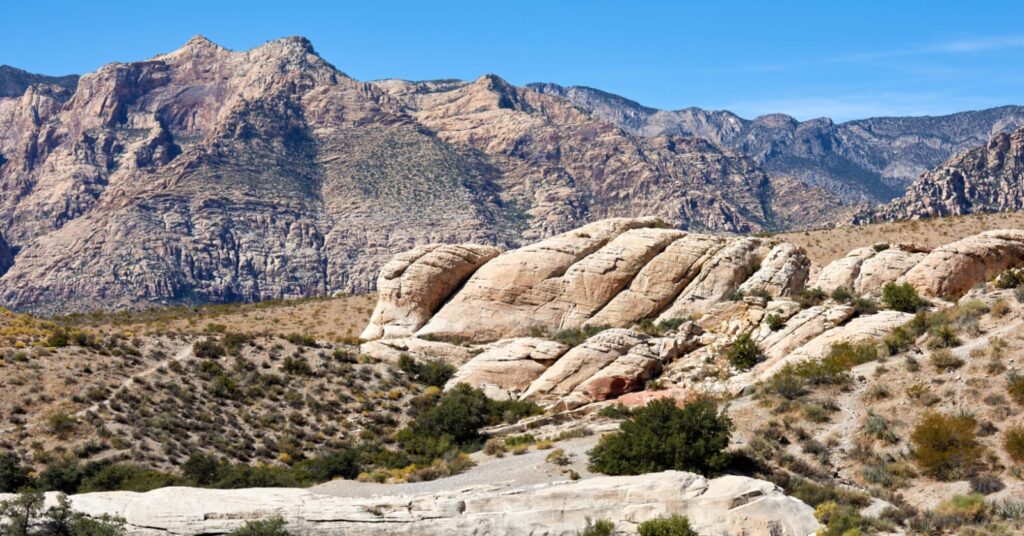
Different sections of the range offer unique landscapes and experiences. The High Atlas is famous for towering peaks and dramatic scenery, while the Middle Atlas contains forests, lakes, and cooler climates. The Anti-Atlas region presents rugged terrain with rocky formations and desert-like surroundings that differ greatly from greener northern areas.
In Algeria, the mountain ranges extend across large areas that support rural communities and natural reserves. Tunisia contains smaller extensions of the system that still contribute to regional biodiversity and agriculture. Despite national boundaries, the broader mountain system shares environmental and cultural connections across North Africa.
The following table highlights several important regions within the mountain system:
| Region | Main Characteristics | Notable Features |
|---|---|---|
| High Atlas | Tall peaks and snowy elevations | Mount Toubkal |
| Middle Atlas | Forests and lakes | Cedar woodlands |
| Anti-Atlas | Rocky and arid landscapes | Desert scenery |
| Saharan Atlas | Transitional climate zones | Connection to Sahara |
| Tell Atlas | Coastal influence | Fertile valleys |
Each region contributes to the identity and environmental value of the broader mountain system. Together, they create a diverse natural landscape that supports millions of people and countless species across North Africa.
Modern Challenges Facing the Atlas Mountains
Although the mountains remain visually stunning, they face several modern challenges that threaten both nature and local communities. Climate change has altered rainfall patterns and reduced snow levels in some areas. These changes affect water supplies, agriculture, and ecosystems that rely on seasonal weather conditions for survival.
Population growth and infrastructure development have also increased environmental pressure. Roads, tourism facilities, and urban expansion sometimes disrupt wildlife habitats and traditional ways of life. Younger generations in remote villages may move to larger cities in search of economic opportunities, leading to social and cultural shifts within mountain communities.
Efforts to address these issues include conservation programs, sustainable tourism initiatives, and improved environmental education. Governments and local organizations continue working to balance economic development with ecological protection. Preserving the mountains requires cooperation between communities, researchers, and policymakers who understand the long-term importance of the region.
The Lasting Beauty of North Africa’s Great Range
The mountains continue to inspire travelers, scientists, artists, and historians from around the world. Their dramatic scenery, ancient villages, and ecological diversity create a sense of wonder that few landscapes can match. Whether viewed from a distant valley or explored through winding mountain paths, the region leaves a lasting impression on those who experience it firsthand.
The cultural richness of the area adds depth to its natural beauty. Generations of Amazigh communities have shaped the identity of the mountains through language, architecture, music, and hospitality. These traditions remain deeply connected to the landscape, creating a living relationship between people and nature that continues to define the region today.
As environmental and social challenges continue to evolve, the future of the mountains depends on thoughtful preservation and responsible development. Protecting natural resources while supporting local communities will help ensure that future generations can continue to appreciate this extraordinary part of North Africa. The mountains are more than a geographic landmark; they represent history, resilience, and the enduring connection between humanity and the natural world.
FAQs
1. Where are the Atlas Mountains located?
The mountains are located in North Africa and extend across Morocco, Algeria, and Tunisia.
2. What is the highest peak in the mountain range?
Mount Toubkal in Morocco is the highest peak, reaching approximately 4,167 meters.
3. Why are the mountains important to the environment?
They influence regional climate, provide water resources, and support diverse ecosystems and wildlife habitats.
4. Who lives in the mountain regions?
Many Amazigh communities live throughout the mountains and maintain traditional cultural practices.
5. Can tourists visit the mountains year-round?
Yes, visitors travel throughout the year for hiking, cultural tourism, winter scenery, and desert exploration nearby.