

Introduction
If you’ve ever searched the internet or seen the word ‘Pomerusky,’ you’ve likely come across this term. But it’s important to know that there is no distinct or official Pomerusky breed. It is actually an incorrect spelling of a popular hybrid dog, the Pomsky. A Pomsky is created by crossing a Pomeranian with a Siberian Husky. This spelling mix-up occurs often because the name, when spoken, sounds like it could be ‘Pomerusky,’ and when people type quickly, or hear the name for the first time, they may spell it this way by mistake.
Even though ‘Pomerusky’ is technically wrong, it is very common and is often typed in search engines or used in forums. For the most part, people typing ‘Pomerusky’ are actually looking for information about the exact same adorable dog that ‘Pomsky’ refers to. Due to this, the term ‘Pomerusky’ has almost become its own colloquialism referring to the Pomsky breed. Knowing this should clear up the confusion.
The confusion caused by the spelling also tells us something about language development on the internet. Because of the popularity of certain types of dogs, spellings of breeds can spread quickly through the internet, and often the definition doesn’t even change. This seems to be one of those instances where the meaning is the same, just the spelling is different. Before digging further, it’s helpful to understand this background information.
The Origins Behind the Pomerusky Name
The origin story of the Pomsky really began when breeders wanted to create designer dogs by mixing some of the best qualities of the Pomeranian and Siberian Husky. Designers were looking for a dog that was very similar in appearance to a Husky, but a smaller, more manageable size. This vision is what led to the intentionally crossbreeding of Huskies and Pomeranians.
The incorrect spelling ‘Pomerusky’ likely originated from people mixing the actual breed name ‘Pomeranian’ and ‘Husky’ to make the hybrid’s name. While the official name ‘Pomsky’ was created later, spelling variants like ‘Pomerusky’ began to pop up all over blogs, forums, and search engines. The confusion spread from there, and some people may have thought ‘Pomerusky’ was a separate breed from the Pomsky altogether.
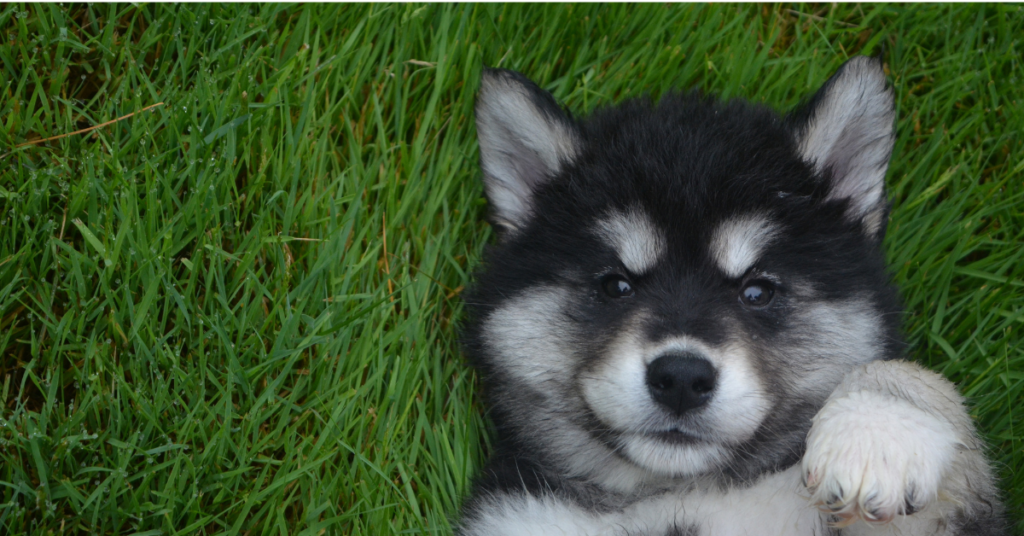
The origin of the dog remains the same regardless of its spelling. Breeders select dogs based on specific traits that they want to pass down to the offspring, like coat quality, eye color, and size. The dog often turns out with a fox-like face, a fluffy double coat, expressive eyes, and the overall striking appearance of a Husky in a much smaller, more portable package.
Physical Attributes: size and looks
The physical appearance of the Pomerusky will vary depending on which parent it takes more after. Most Pomeruskies will have the fluffy double coat of a Siberian Husky, as well as Husky-like facial markings. They often share the facial structure with the Husky as well, however, they will have a smaller frame more like the Pomeranian. Many Pomeruskies will have captivating blue, brown, or even a mix of the two colors for their eyes.
Size can vary quite a lot with Pomeruskies, which may surprise some first-time owners. Depending on the genes it receives, it could be closer to the size of the Pomeranian or be a bit bigger. They usually end up somewhere between these two sizes, making them appropriate for most homes or apartments. The variable size is a common reason for a lot of owners who were not expecting what they ended up with.
Grooming needs can vary based on which breed it resembles. However, they are almost always a high-grooming dog due to their thick double coats. You can expect them to shed a lot, particularly in warmer months. Daily brushing is ideal, along with regular baths to keep their coats in good condition.
Disposition and personality
As far as personality and temperament go, Pomeruskies generally seem to follow the personality type of both of their parents. They can be very friendly and social, and they have a lot of affection to give to their owners. This dog will want to be right by its owner’s side whenever possible. They are very playful dogs that will enjoy their time playing and having fun outside.
The intelligence of this dog will be similar to its parents, so this can mean many things. Pomeruskies are typically quick learners, thanks to the husky, but this can also lead them to be stubborn and independent at times. Consistency and clear boundaries are very important in training this dog, and you may find it helps to use positive reinforcement methods to encourage obedience.
Another notable trait of a Pomerusky’s personality is that they are often very vocal. They can tend to bark at people, dogs, or any new thing they hear, and often seem to “talk” more than typical dogs. This can be a bit disruptive if you are living in a quiet apartment, so you’ll want to focus on training them from a young age to manage excessive barking.
Needs and daily requirements:
The amount of care that a Pomerusky needs may be more than some people anticipate. As mentioned, they require regular grooming and at least daily exercise to stay healthy. Ideally, you’ll take your Pomerusky for at least one decent walk or a series of shorter walks every day.
They will also benefit greatly from mental stimulation in addition to physical exercise. Puzzle toys, agility training, and new environments can help keep their intelligent minds engaged. Without enough mental activity, this dog is more likely to develop destructive or problematic behaviors out of boredom. Providing a lot of love and attention, as well as a routine to stick to, is essential for a well-balanced Pomerusky.
A Few Training & Socialization Tips
Training your Pomerusky will be an ongoing project, as this dog has a lot of energy and can be independent. You will need to be consistent with your training and have clear boundaries from day one. Using a reward-based system is highly recommended, as this will encourage your Pomerusky to do what you ask more often.
Socializing your Pomerusky at a young age is crucial. Taking them to a training class, taking them to meet new people, and taking them to dog parks can help them grow up to be a confident, well-adjusted dog that is friendly with everyone and everything. The more experiences they have as puppies, the less likely they are to have issues with new things when they are older.
Health and longevity
As far as health is concerned, Pomeruskies tend to inherit the best traits from both parent breeds, meaning that they will likely live a long and healthy life. However, they may still be predisposed to some of the same health problems as their parents. Common issues include dental problems due to their smaller mouths and certain eye problems as they age. Hip dysplasia may be a possibility as well.
Ensuring that your Pomerusky lives a healthy lifestyle through the use of healthy, nutrient-rich food, daily exercise, and consistent veterinary care is the best way to help this breed live a long and full life.
Most Pomeruskies live for between 12 and 15 years, and potentially longer if they are healthy and happy.
Conclusion
Although a Pomerusky is the product of a misspell, it opens up a world of information to discover one of the cutest hybrid dogs out there. While the proper name is a Pomsky, the same traits from two highly cherished breeds are a wonderful mix of beauty, brain, and spirit.
It is important to remember that these dogs are beautiful as well as vivacious, loving dogs who demand dedication of the owners during the grooming, training and time spent with them. They provide a friendship that you will never forget nor regret.
By learning the facts of the Pomerusky, you will have one less concern to work out in finding what type of pet will be best suited for your needs. Whether or not you decide on the Pomerusky, the Pomsky will always be an affectionate and lively companion to share your life with.
ALSO READ THIS ARTICLE Statens Luftfartsvæsen: Rapid Growth and Enduring Legacy